


Hydrogen Production Compression Solutions
Diaphragm compression solutions for hydrogen production from various sources, and emerging production pathways.
What Is Hydrogen Production?
Hydrogen production is the generation or recovery of hydrogen from water, hydrocarbons, ammonia, biomass, industrial processes, naturally occurring resources, and other feedstocks.
Production methods include water electrolysis, methane reforming, pyrolysis, thermochemical conversion, biological processes, ammonia cracking, and emerging natural-hydrogen extraction. Hydrogen can also be recovered from industrial or cryogenic systems and returned to storage, distribution, or productive use.
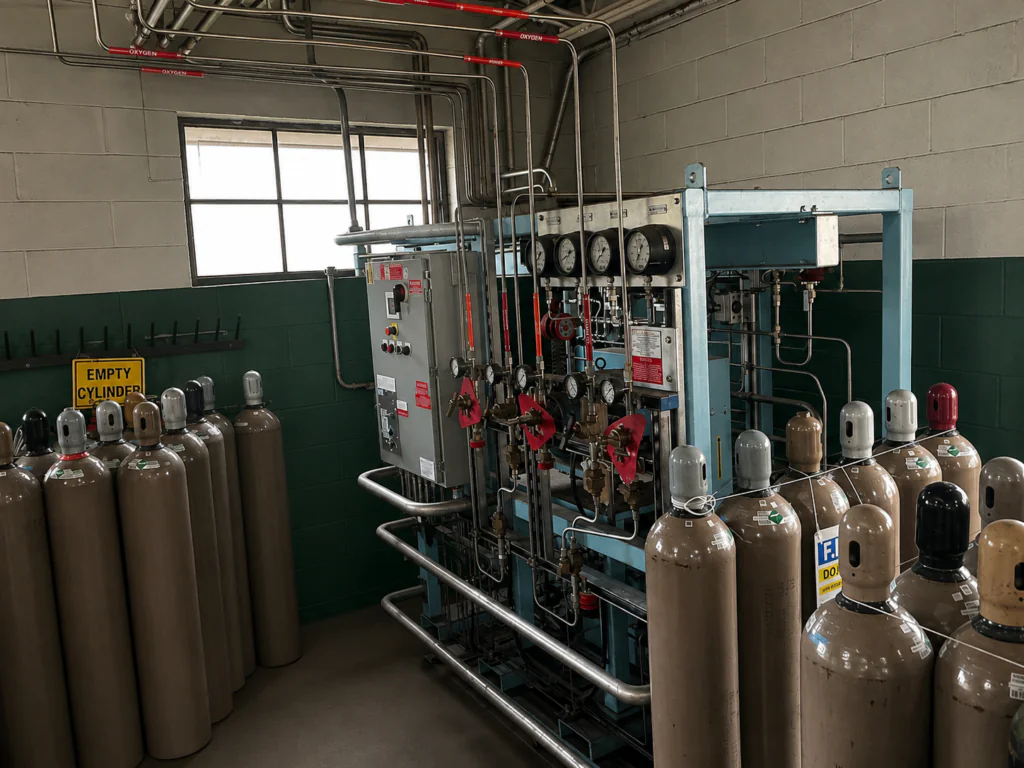
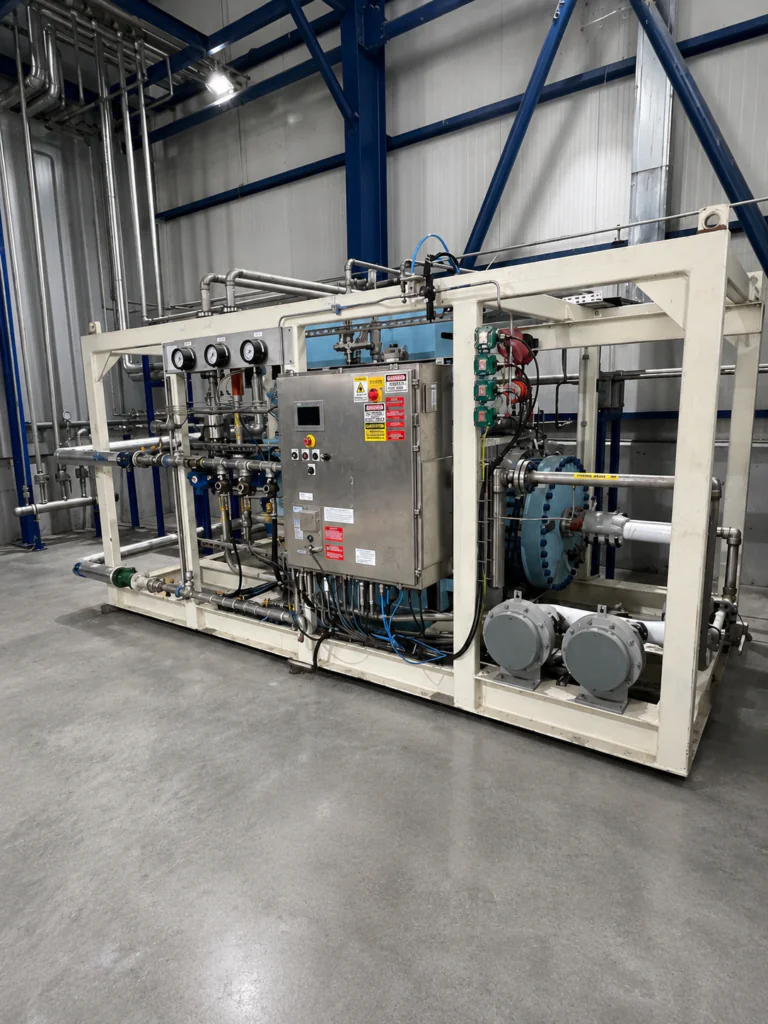
Once produced or recovered, hydrogen frequently requires compression for:
- On-site storage
- Tube-trailer filling
- Cylinder filling
- Pipeline transfer
- Vehicle fueling
- Industrial processing
- Chemical production
- Power generation
- Liquefaction feed
- Recycling into an existing process
- Delivery to another facility
DOE identifies electrolysis, thermochemical conversion, and biological production among the principal hydrogen-production pathways.
Where PDC Fits in a Hydrogen Production Project
PDC specializes in diaphragm compression for all applications within hydrogen production. Downstream of the hydrogen production process (electrolyzer, SMR, etc.), PDC boosts gas pressure from as low as 1 bara up to 1000 bar through multiple stages of compression. We supply the compressor and, where required, the integrated compression package used downstream of hydrogen production, separation, purification, or recovery.
Depending on project requirements, PDC Machines can provide:
- Bare diaphragm compressor units
- Skid-mounted hydrogen compression systems
- Packaged compressors with piping, controls, and instrumentation
- Compression for storage and distribution
- Compression for tube-trailer filling
- Compression for process recycling
- Boil-off gas recovery compression
- Application engineering and compressor sizing
- Field service, spare parts, training, and aftermarket support
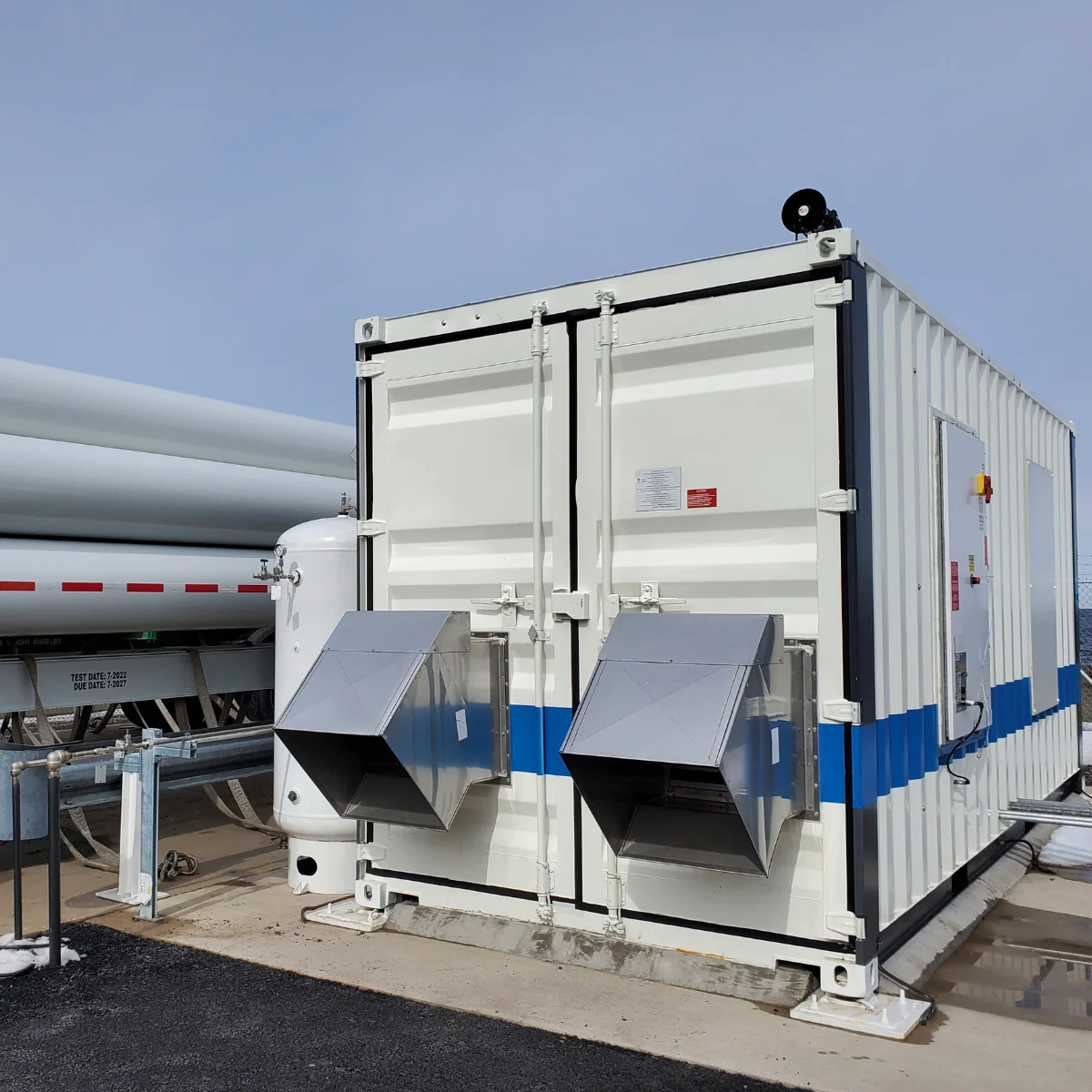
From hydrogen production pressure to useful pressure
PDC supplies the compression equipment that moves hydrogen from the production or recovery process into storage, transportation, distribution, or end use.
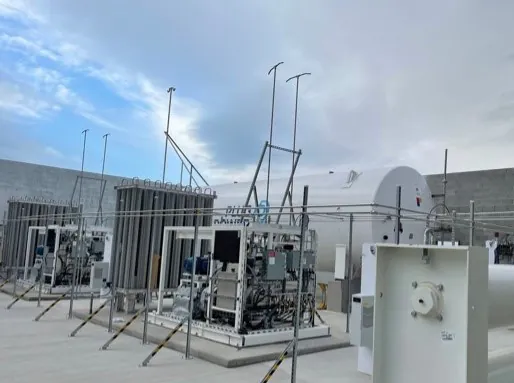
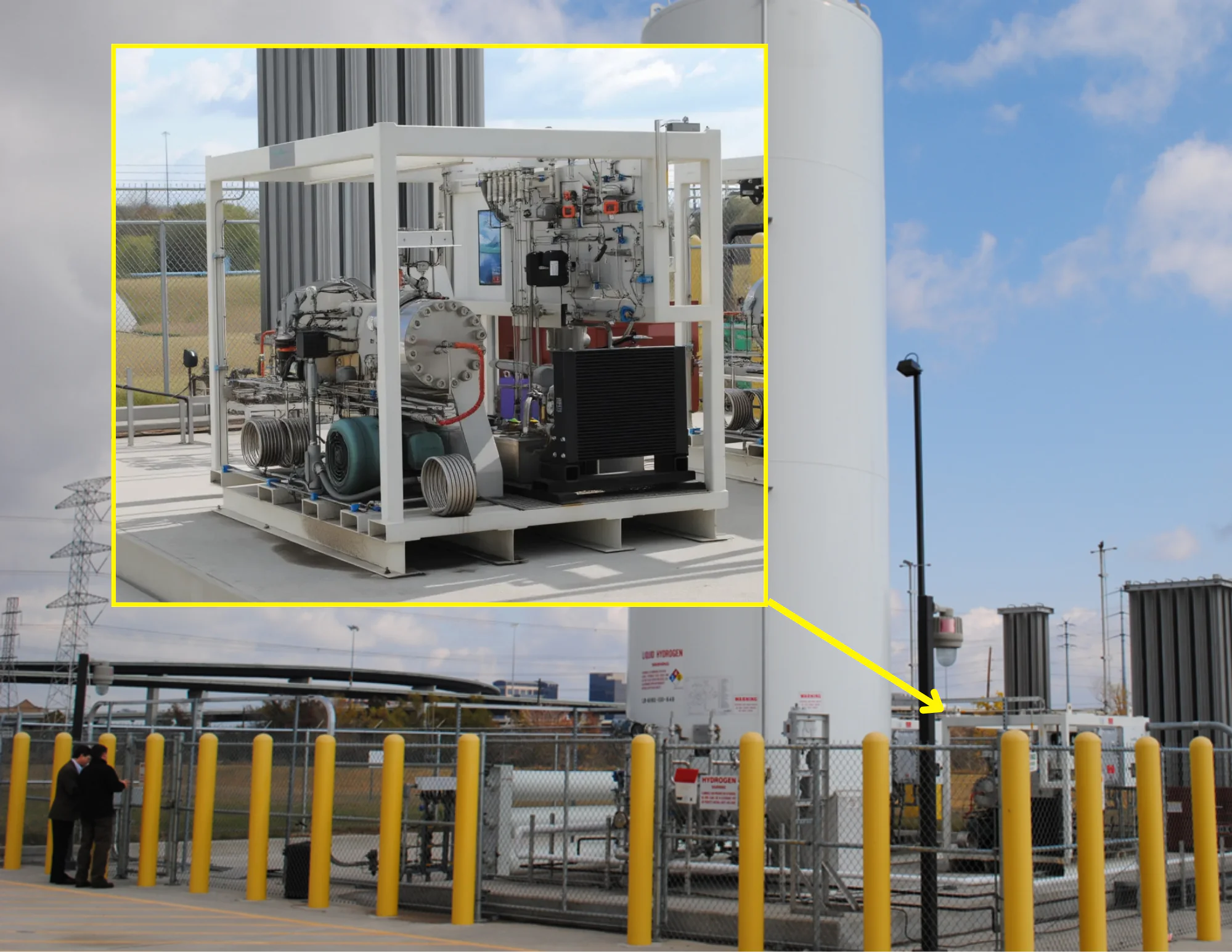
Hydrogen Production Applications We Support
PDC Machines plays an essential role in compressing hydrogen from various sources to a pressure you can use. As a leading manufacturer of hydrogen compressors, PDC offers cutting-edge solutions that cater to the unique needs of various end-uses.
Electrolytic
Water electrolysis uses electricity to split water into hydrogen and oxygen. Technologies include proton-exchange membrane, alkaline, anion-exchange membrane, solid-oxide, and other electrolyzer designs.
PDC compressors can support hydrogen produced by:
- PEM electrolyzers
- Alkaline electrolyzers
- AEM electrolyzers
- Solid-oxide and high-temperature electrolyzers
- Modular and containerized electrolyzer systems
- Large centralized hydrogen-production plants
- On-site and distributed generation systems
The hydrogen leaving an electrolyzer may require additional compression for storage, transport, fueling, pipeline delivery, or industrial use.
Thermochemical
Thermochemical and chemical processes use heat, chemical reactions, or both to release hydrogen from hydrocarbons, water, biomass, metals, or other feedstocks.
Applications may include:
- Steam methane reforming
- Autothermal reforming
- Methane pyrolysis
- Biomass gasification
- Thermochemical water splitting
- Metal-acid reactions
- Other chemical hydrogen-generation processes
PDC provides the downstream compression scope after the hydrogen has been sufficiently separated, conditioned, and prepared for the compressor.
Steam methane reforming and electrolysis remain established hydrogen-production pathways, while thermochemical water splitting and other advanced processes continue to be developed.
Ammonia Dissociation and Cracking
Ammonia can serve as a hydrogen carrier because it can be transported to a site and converted back into hydrogen through cracking or decomposition.
PDC can evaluate compression requirements downstream of an ammonia-cracking and hydrogen-purification system. The recovered hydrogen may then be compressed for:
- Storage
- Industrial use
- Fuel-cell applications
- Power generation
- Mobility and fueling
- Distribution to another location
PDC supplies the hydrogen compression equipment, not the ammonia cracker or complete ammonia-to-hydrogen facility.
Boil-Off Gas (BOG) Recovery
Liquid hydrogen must be held at cryogenic temperature. Heat entering the storage system causes a portion of the liquid hydrogen to evaporate and become boil-off gas. Without a recovery strategy, this hydrogen may ultimately be vented.
PDC boil-off gas recovery compressors capture gaseous hydrogen from the cryogenic storage system and compress it for:
- High-pressure storage
- Tube-trailer filling
- Return to a hydrogen process
- On-site consumption
- Redistribution or sale
RecoH₂ver: Packaged Hydrogen BOG Recovery
PDC’s RecoH₂ver is a packaged compression solution designed to help liquid-hydrogen operators recover and reuse evaporated hydrogen from cryogenic storage.
Instead of allowing purchased or produced hydrogen to escape through the vent system, operators can capture the gas and return it to productive use.
Natural and Geologic Hydrogen
Naturally occurring hydrogen may be found in underground geological formations or associated with certain gas wells and subsurface processes.
After extraction, the gas may require separation, purification, drying, and compression before it can be stored, transported, sold, or used.
PDC can work with natural-hydrogen developers and processing partners to evaluate compression requirements based on:
- Gas composition
- Hydrogen concentration
- Wellhead or separator pressure
- Contaminants and moisture
- Required product purity
- Final storage or delivery pressure
- Changes in flow and pressure over the life of the well
Biological Hydrogen
Hydrogen can be generated through biological processes involving microorganisms such as bacteria or algae. DOE includes biological production within its broader hydrogen-production research portfolio.
These applications may include:
- Microbial fermentation
- Photobiological production
- Biomass-derived processes
- Wastewater or waste-stream conversion
- Research and pilot-scale production
- Other emerging production technologies
PDC can evaluate compression requirements for both research-scale and commercial systems, subject to the available gas flow, composition, inlet pressure, purity, and operating profile.
PDC Experience in Hydrogen Compression
PDC Machines has decades of experience engineering integrated diaphragm compressor systems for hydrogen applications worldwide.
Our compressors support hydrogen production, storage, transfer, fueling, research, industrial processes, and emerging power-generation applications. This experience allows PDC to work with project developers, utilities, engineering firms, system integrators, and equipment manufacturers to define the compression requirements within larger hydrogen power and energy-storage projects.
PDC has delivered over 1,400 installations around the globe in hydrogen energy applications, providing compression solutions for hydrogen generated through electrolysis, thermochemical processes, ammonia cracking, biological pathways, and emerging production technologies.
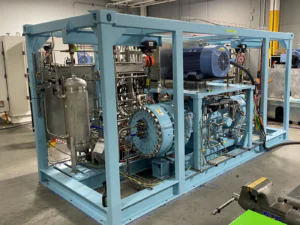
From bare compressor units to fully packaged systems, PDC provides high-pressure, oil-free hydrogen compression backed by global engineering, service, and aftermarket support.
Why PDC Machines’ Diaphragm Compression for Hydrogen Production?
Hydrogen production applications require compression equipment that can maintain gas purity, achieve high discharge pressures and operate reliably under demanding operating conditions. PDC’s Diaphragm compressors are well suited for these requirements
Oil-Free Gas Handling
The process gas is separated from the hydraulic system, helping maintain hydrogen purity for sensitive downstream processes and fuel-cell applications.
High-Pressure Capability
Diaphragm compressors can raise hydrogen from production or recovery pressure to the pressure required for storage, transfer, transport, or end use.
Leak-Tight Gas Handling
The diaphragm design is well suited to hydrogen applications where gas containment and process integrity are critical.
Flexible System Integration
PDC compressors can be supplied as bare units or packaged systems for integration with electrolyzers, reformers, recovery equipment, storage systems, and complete hydrogen plants.
Support for Variable Production
Hydrogen-production systems may experience changing flow rates, inlet pressures, or operating schedules. PDC can evaluate staging, control, buffering, and redundancy requirements based on the operating profile.
Global Aftermarket Support
PDC supports its installed equipment through field service, preventive maintenance, spare parts, technical training, refurbishment, and long-term aftermarket programs.
Move Your Hydrogen from Production to Its Next Destination
Whether you produce hydrogen for commercial scale, on-site consumption, storage, transportation, or process reuse, PDC Machines can help define and deliver the required compression scope.