


Industrial Gas Compressors for Nuclear & Power Generation
High-Purity Gas Compression for nuclear power, SMRs, reactor cooling, fuel handling, radwaste processing, inerting, and leak testing.
PDC Machines provides integrated diaphragm compression packages for gas applications supporting nuclear power plants, small modular reactors, advanced reactor technologies, nuclear fuel-cycle facilities, radioactive-waste processing, and specialized testing systems.
Our compressors support helium and inert-gas handling, fuel fabrication and storage, system pressurization, leak testing, gas recovery, and other applications requiring dependable containment and repeatable performance.
Each system is engineered around the gas composition, purity, pressure, flow, operating duty, facility requirements, and required level of documentation.
What Is Nuclear Gas Compression?
Nuclear facilities use gases for heat transfer, inerting, purging, pressurization, leak detection, fuel fabrication, spent-fuel storage, waste treatment, testing, and other process-support functions.
Gas compression may be required to
- Transfer gas from bulk storage
- Fill high-pressure vessels or cylinders
- Establish an inert atmosphere
- Backfill fuel or storage containers
- Supply helium for reactor or test-loop applications
- Conduct leak and pressure testing
- Recover and reuse valuable gases
- Process controlled gaseous waste streams
- Support fuel fabrication and handling
- Maintain defined system pressures
- Supply research and qualification facilities

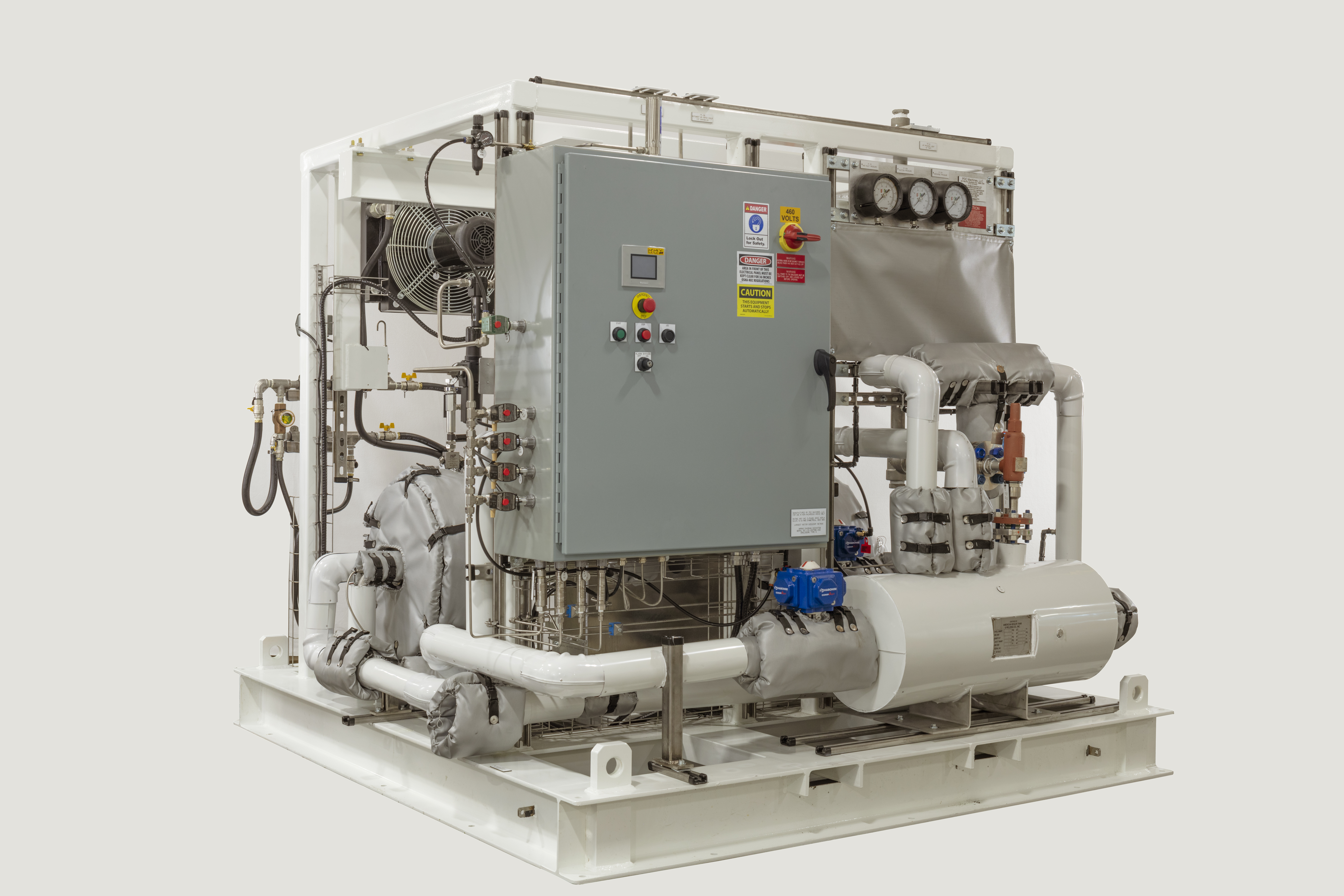
Because nuclear applications involve safety significant systems, controlled materials, hazardous environments, and long equipment lifecycles, compressor selection requires substantial review beyond basic flow and pressure.
Where PDC Fits in a Nuclear Project
PDC Machines supplies the diaphragm compressor and, where required, the integrated compression package used within a broader nuclear, fuel-cycle, waste-processing, or power-generation system.
Depending on the project, PDC can provide:
- Application-specific material selection for radioactive, corrosive, high-purity, and specialty gases
- Redundant safety systems
- Bare diaphragm compressor units
- Skid-mounted gas-compression packages
- High-pressure helium and inert-gas systems
- Gas transfer and vessel-filling systems
- Recovery and recycle compression
- Packages with piping, controls, instrumentation, and cooling
- Purging, evacuation, and venting provisions
- Application engineering and compressor sizing
- Factory testing and project-specific documentation
- Field service, spare parts, training, and refurbishment
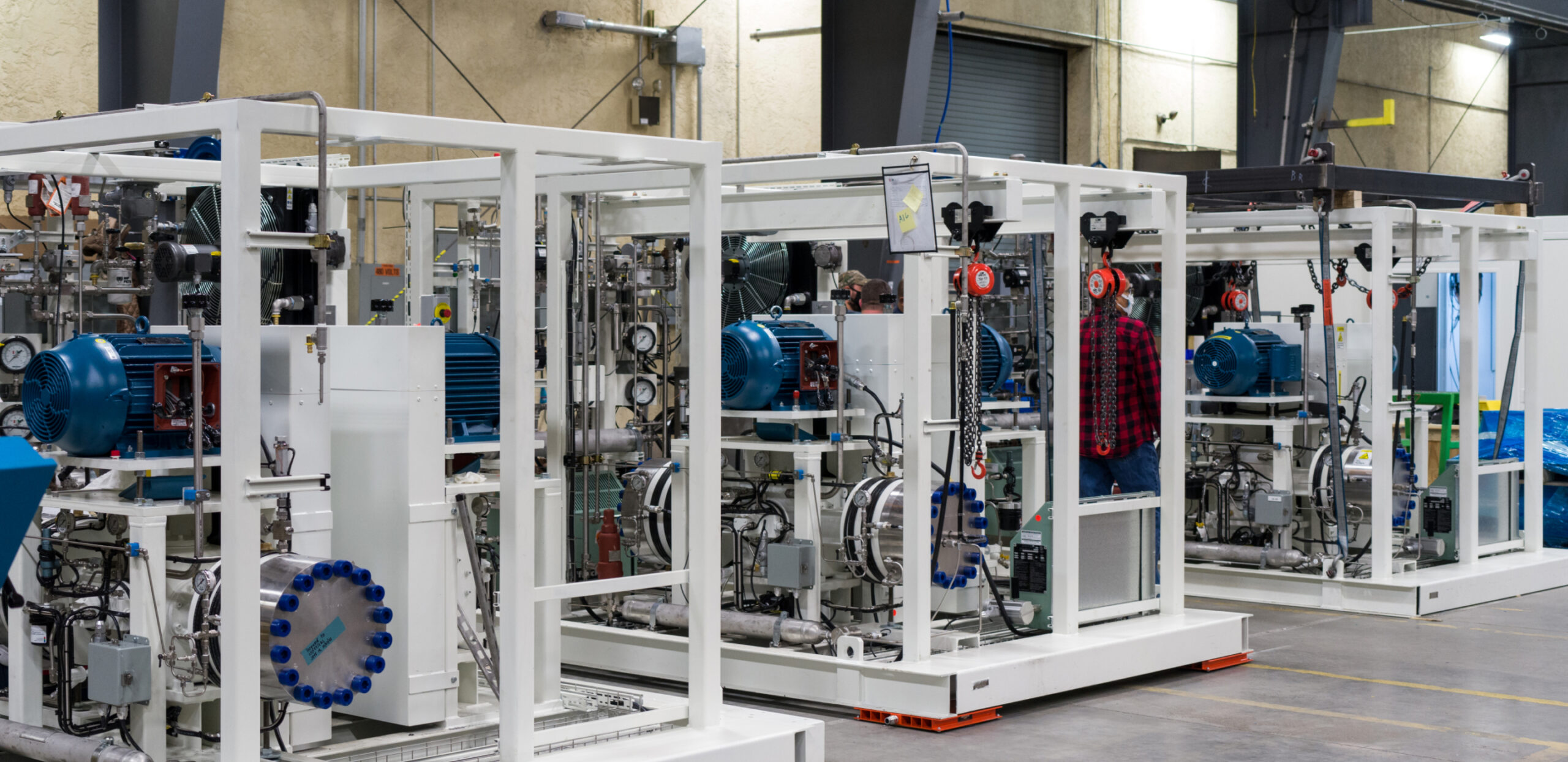
Compression engineered for demanding nuclear applications
Nuclear projects require elevated quality controls, materials traceability, specialized inspections, defined cleaning procedures, detailed documentation, long-term parts availability, and project-specific testing. Requirements must be confirmed at the beginning of the proposal process.
Nuclear and Power-Generation We Support
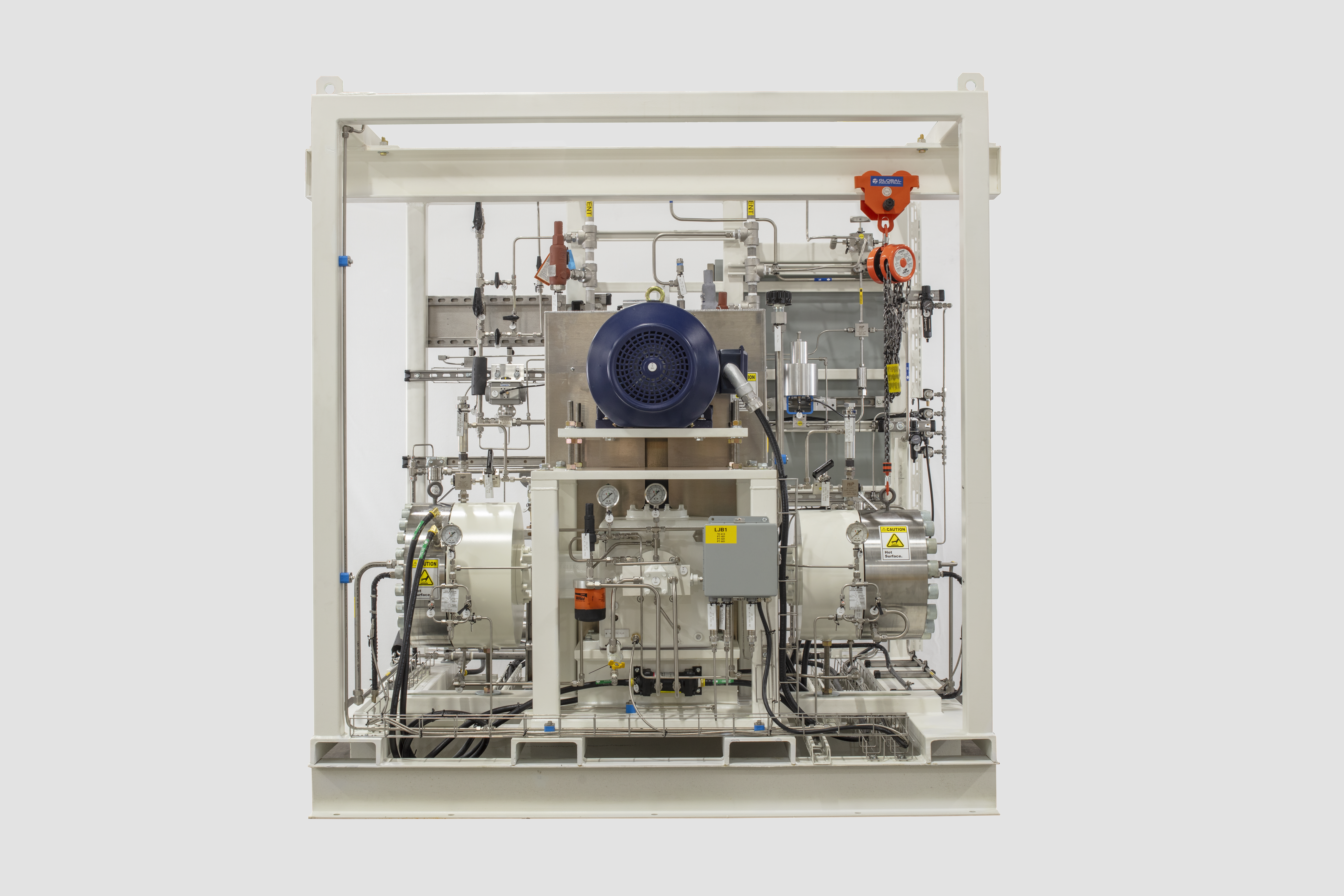
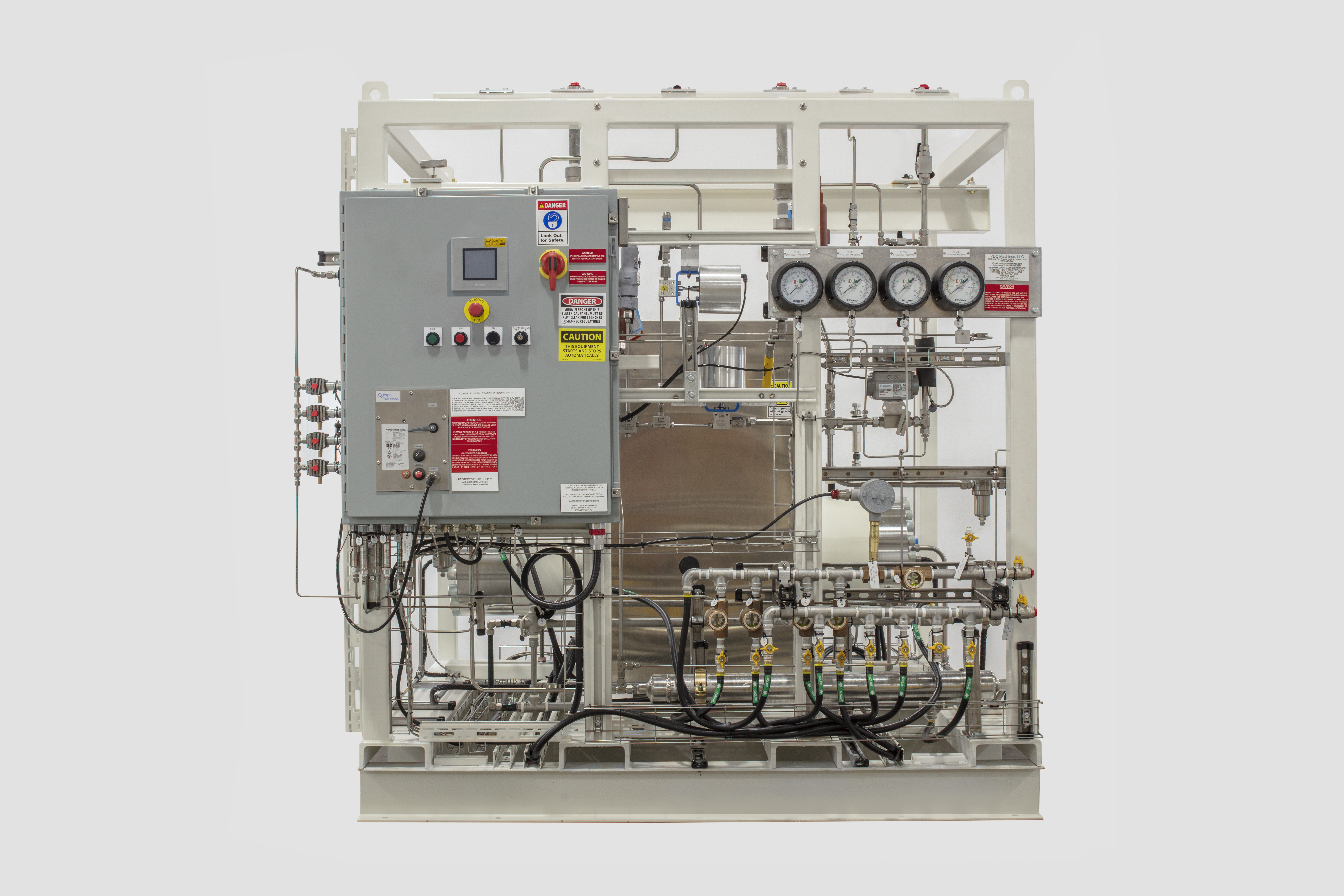
PDC Machines provides diaphragm compressors and integrated compression packages for gas applications supporting nuclear power plants, small modular reactors, advanced reactor technologies, nuclear fuel-cycle facilities, radioactive-waste processing, and specialized testing systems.
Small Modular Reactors (SMRs)
Small modular reactors encompass multiple reactor technologies rather than one universal design. Depending on the reactor, the primary coolant may be water, helium, liquid metal, or molten salt.
Gas-compression applications associated with SMRs and advanced reactors may include:
- Helium supply and transfer
- High-pressure gas storage
- Reactor or test-loop gas handling
- Inerting and purging
- Component and pressure-boundary testing
- Fuel-handling support
- Research and demonstration facilities
- Gas recovery and recycling
- Auxiliary and balance-of-plant systems
PDC can work with reactor developers, national laboratories, component manufacturers, and system integrators to define the compressor scope based on the specific reactor design.
Nuclear Fuel Fabrication, Handling and Storage
Gases are used during the preparation, manufacture, handling, transport, testing, and storage of nuclear fuel.
Applications may include:
- Helium filling of fuel rods
- Inert-atmosphere processing
- Purging and evacuation
- Fuel-container pressurization
- Leak testing
- Dry-storage canister backfilling
- High-pressure gas storage and transfer
- Research and fuel-development facilities
NRC documentation describes commercial fuel rods being filled with helium during manufacture. Helium is also used to establish an inert environment within many dry spent-fuel storage canisters; the canisters are leak tested to verify that the environment will remain contained.
PDC supplies the associated gas-compression equipment, not the nuclear fuel, cask, canister, fabrication line, or complete storage system.
Radwaste and Gaseous-Waste Processing
Nuclear facilities may generate controlled gaseous streams during operation, maintenance, fuel-cycle activities, or waste-treatment processes.
PDC can evaluate gas-compression applications associated with radioactive-waste and off-gas treatment systems. Suitability depends on the gas composition, activity level, contamination potential, maintenance strategy, materials, containment requirements, facility classification, and applicable regulations.
Applications can involve:
- Gas collection
- Controlled transfer
- Receiver-tank filling
- Process-gas recycling
- Nitrogen blanketing
- Waste-gas treatment
- Off-gas handling
- Gas sampling or monitoring support
- Volume reduction or conditioning processes
NRC documentation includes waste-gas systems in which hydrogen, nitrogen, and delayed fission gases are processed through waste-gas compressors and transferred to receiver tanks. The exact process and regulatory controls vary significantly by facility and reactor design.
Gas-Cooled Reactor Support
High-temperature gas reactors use helium as a heat-transfer medium. Helium is chemically inert, remains a single-phase gas during operation, and is compatible with the high-temperature environment of this reactor class.
Potential compression applications may include:
- Helium inventory transfer
- Initial system filling
- Storage-vessel filling
- Test-loop gas supply
- Makeup-gas systems
- Component testing
- Helium recovery
- Research and qualification systems
Reactor and Facility Inerting
Inert gases may be used to reduce oxygen concentration, prevent unwanted chemical reactions, protect equipment, or establish controlled environments.
Common gases may include:
- Process-specific inert mixtures
- Nitrogen
- Helium
- Argon
PDC compressors can support bulk-gas transfer, storage filling, pressurization, and recovery within the broader inerting system.
Leak Detection, Pressure Testing, and Pressurization
Helium is commonly used as a tracer gas for detecting very small leak paths in nuclear components, vessels, fuel containers, and pressure boundaries. Helium, nitrogen, and other gases may also be used to establish or maintain controlled pressure within nuclear and power-generation systems.
PDC compressors may support:
- High-pressure helium supply
- Test-vessel filling
- Gas transfer
- Helium recovery and reuse
- Controlled system pressurization
- Test-support skids
Why PDC Machines’ Diaphragm Compression for Nuclear Applications?
Oil-Free Gas Handling
Metallic diaphragms isolate the process gas from the compressor’s hydraulic system, helping protect high-purity gases and sensitive downstream equipment from oil contamination.
High Gas Purity
Oil-free operation and selected gas-wetted materials help maintain the quality of helium, nitrogen, and other controlled process gases.
Leak-Tight Containment
Diaphragm compressors are well suited to applications where gas containment, process integrity, and controlled leakage are important.
High-Pressure Capability
Single-stage and multistage configurations can support gas transfer, vessel filling, pressurization, backfilling, leak testing, and storage applications.
Potential compression applications may include
Configurable Packaging
Compression packages may incorporate:
- Project-specific inspections and testing
- Process piping
- Isolation valves
- Instrumentation
- Controls
- Cooling
- Purge connections
- Vent connections
- Gas and leak detection interfaces
- Redundant equipment
- Customer communication interfaces
Gas Recovery and Reuse
Compression can support the recovery of helium and other gases from testing, processing, or storage operations, subject to purification and process requirements.
Define the Compression Scope for Your Nuclear Application
Whether your project involves an SMR, advanced-reactor test system, fuel fabrication, dry-storage support, radwaste processing, inerting, helium leak detection, or system pressurization, PDC Machines can help evaluate and deliver the required gas-compression equipment.